German Passport Guide 2026 Eligibility, Benefits & How to Apply
Home » Uncategorized » German Passport Guide 2026 Eligibility, Benefits & How to Apply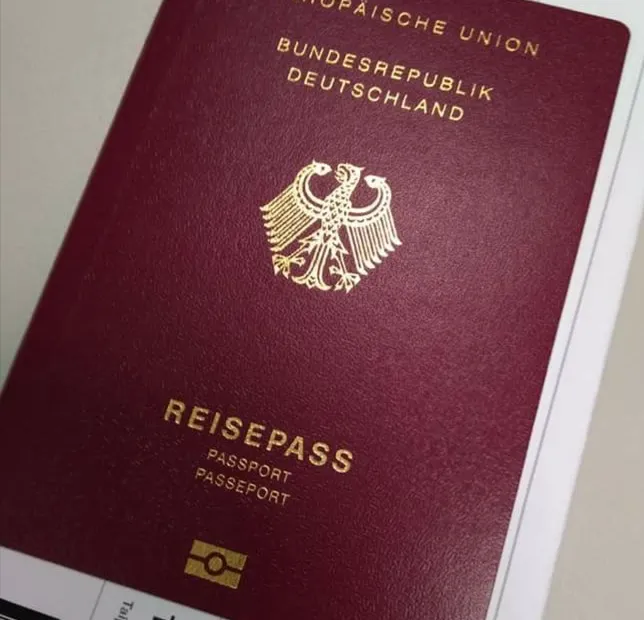
German Passport Guide 2026 Eligibility, Benefits & How to Apply
A German passport (Deutscher Reisepass) is one of the most powerful passports in the world, offering visa-free or visa-on-arrival access to 190+ countries. Known for its global mobility, security, and strong international reputation, the German pasport is highly sought after by immigrants, students, professionals, and families planning long-term settlement in Germany.
In this complete, up-to-date guide, you will learn everything about the German pasport, including eligibility criteria, benefits, application steps, documents required, processing time, fees, and expert tips for a successful application.
What is a German Passport?
A German pasport is an official travel document issued by the Federal Republic of Germany to its citizens. It confirms German nationality and allows international travel, residence rights within the European Union, and access to German consular protection worldwide.
Germany issues biometric passports that meet EU and international security standards, making them among the most secure passports globally.
Power & Global Ranking of the German Passport
The German pasport consistently ranks in the top 3 most powerful passports worldwide.
Key Travel Benefits:
- Visa-free travel to 190+ countries
- Visa-on-arrival access in 40+ destinations
- Schengen zone unrestricted movement
- Fast-track immigration lanes in many airports
Top Visa-Free Destinations Include:
- United Kingdom
- Japan
- South Korea
- Singapore
- Australia
- Canada
- All EU & Schengen countries
Who Is Eligible for a German Passport?
You are eligible for a German pasport if:
- You are a German citizen by birth
- You acquired German citizenship through naturalization
- You are a child of German parents
- You obtained citizenship by descent
- You received citizenship via marriage & long-term residence
Ways to Obtain German Citizenship (Path to Passport)
Before applying for a German pasport, you must become a German citizen.
1. Citizenship by Birth
You may qualify if:
- One or both parents are German
- You were born in Germany to long-term legal residents
2. Naturalization (Most Common Method)
Requirements:
- 8 years legal residence (can be reduced to 6–7 years)
- German language proficiency (B1 level)
- Financial independence
- Clean criminal record
- Pass German citizenship test
3. Citizenship by Marriage
If married to a German citizen:
- Minimum 3 years residence
- At least 2 years of marriage
4. Citizenship by Descent (Ancestry)
If your parents or grandparents were German nationals, you may qualify under German descent laws.
German Passport Application Process (Step-by-Step)
Once you have German citizenship, follow these steps:
Step 1: Book Appointment
Apply at:
- Local citizen registration office (Bürgeramt)
- German embassy (if abroad)
Step 2: Prepare Required Documents
You’ll need:
- Valid German ID card (Personalausweis)
- Birth certificate
- Proof of German citizenship
- Biometric passport photos
- Residence registration certificate
- Old passport (if renewal)
Step 3: Submit Application & Biometrics
At the appointment:
- Fingerprints taken
- Digital photo captured
- Signature recorded
Step 4: Pay Passport Fee
Fees depend on age & processing speed.
Step 5: Wait for Processing
Processing time:
- Standard: 3–6 weeks
- Express: 2–5 working days
German Passport Fees (Updated 2026)
| Category | Fee (€) |
|---|---|
| Adult (32 pages) | €60 |
| Adult (48 pages) | €82 |
| Under 24 years | €37.50 |
| Express service | +€32 |
Validity of German Passport
- Adults (24+) → 10 years
- Minors (<24) → 6 years
Benefits of Holding a German Passport
1. World-Class Travel Freedom
Travel visa-free across Europe, Asia, Americas & Oceania.
2. European Union Rights
- Live & work in 27 EU countries
- Access European healthcare & education
3. Strong Consular Protection
German embassies provide top-tier support worldwide.
4. High International Reputation
German pasport holders receive faster immigration clearance.
German Dual Citizenship Rules
Germany allows dual nationality in many cases, especially for:
- EU citizens
- Swiss nationals
- Children born with multiple citizenships
- Naturalized individuals under new nationality laws
⚠️ Always confirm current rules before renouncing any citizenship.
Common Reasons for Passport Application Rejection
- Incorrect documents
- Unclear citizenship proof
- Criminal record
- Fake or incomplete paperwork
Tips to Get Your German Passport Faster
- Book appointment early
- Prepare all original documents
- Use express service if urgent
- Ensure biometric photo compliance
German Passport vs Other Strong Passports
| Passport | Visa-Free Access |
|---|---|
| Germany | 190+ |
| Japan | 190+ |
| Singapore | 190+ |
| Italy | 189 |
| Spain | 189 |
Germany remains among the global top-tier passports.
Frequently Asked Questions (FAQs)
Can foreigners apply directly for a German passport?
No. You must first obtain German citizenship.
How long does it take to become German citizen?
Usually 6–8 years, depending on residence, language level & integration.
Is German passport worth it?
Absolutely — it offers one of the highest travel freedoms globally.
Can I apply online?
No, in-person biometric submission is mandatory.
Final Thoughts
A German passport is far more than a travel document — it is a gateway to global freedom, European residency, economic opportunities, and world-class quality of life.
If you plan to live, work, or travel internationally, obtaining German citizenship and passport can be one of the best life decisions you’ll ever make.